The Truth About Trims: What a Year Without Haircuts Taught Me About Achieving Healthy Hair Growth

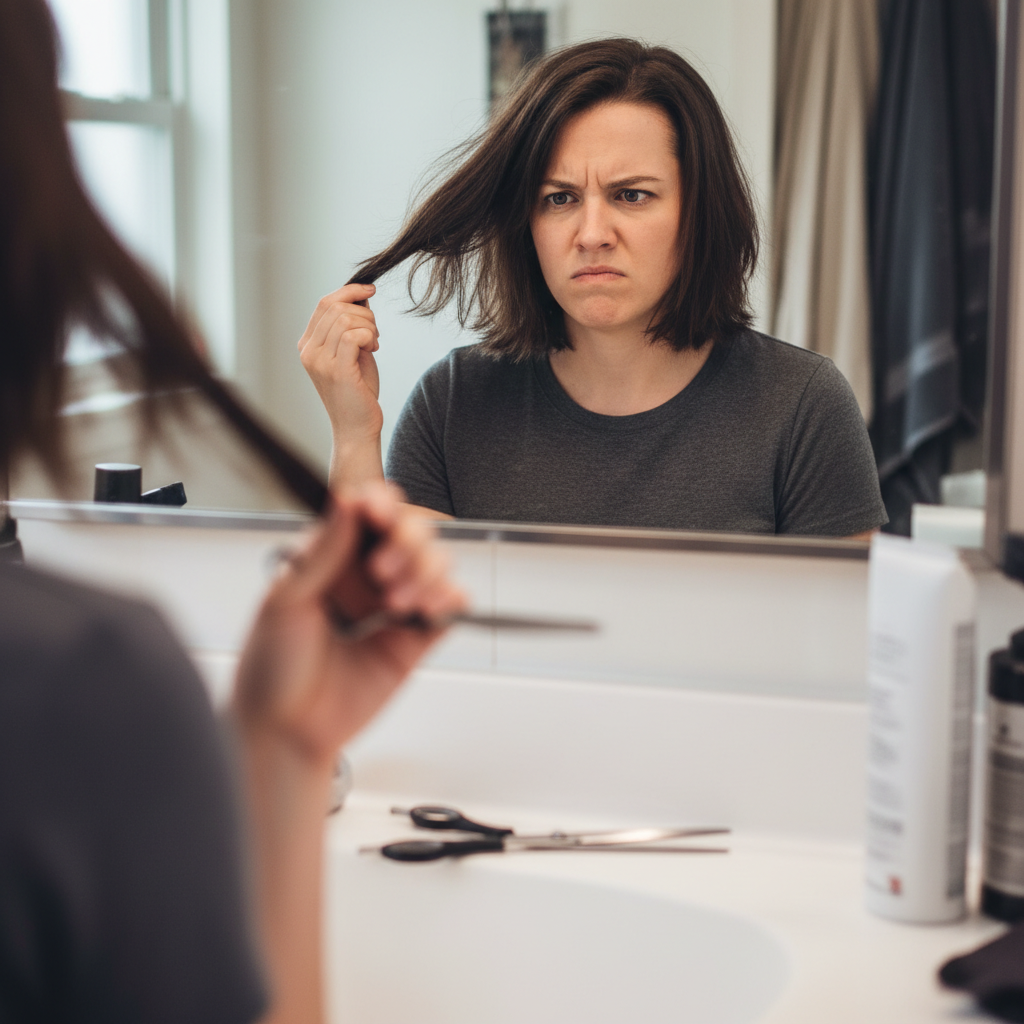
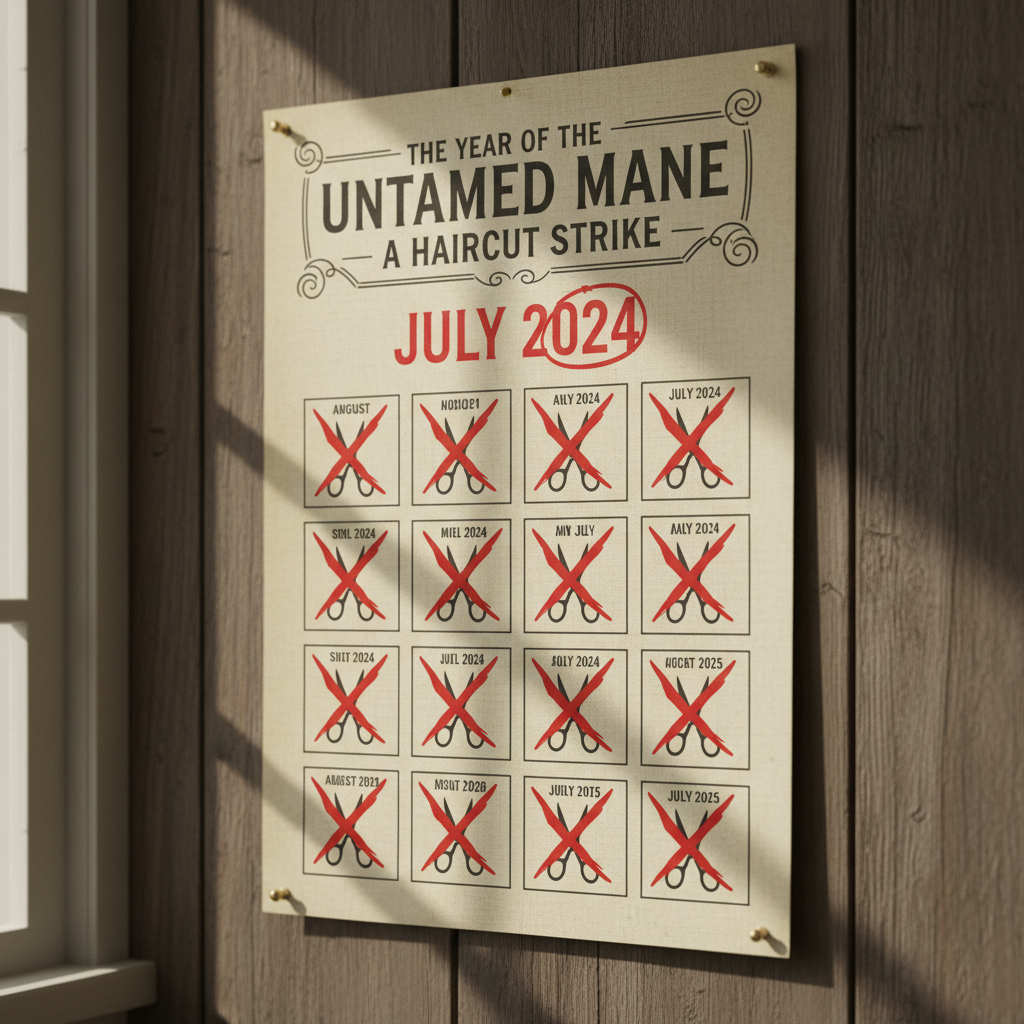
This shared experience led me to undertake a radical experiment: a full year without a single haircut. As a beauty enthusiast, I've always advocated for regular trims, but after experiencing a significant chop that reduced my hair length by eight inches, I decided to challenge conventional wisdom. My mission: to understand the true impact of trims on hair growth and retention, and to discover what it *really* takes to achieve the healthy length we desire. Join me as I share my "scientific strike" and uncover insights that could transform your hair growth journey.
My Year-Long "Scientific Strike" Against Scissors
For years, my quest for long hair felt like an uphill battle. Growing up, long hair represented an ideal, a desire that persisted into adulthood. The emotional connection we have with our hair is profound, and every unexpected chop can feel like a setback.
My decision to forgo trims for 12 months was born out of frustration with stylists who consistently cut off more than agreed upon, leaving me with a "long bob" instead of the flowing lengths I aspired to. I wanted to see if my hair would truly flourish without any intervention, and if the infamous "hairdresser's inch" was truly sabotaging my growth efforts.

The Science Behind Hair Growth and Trims
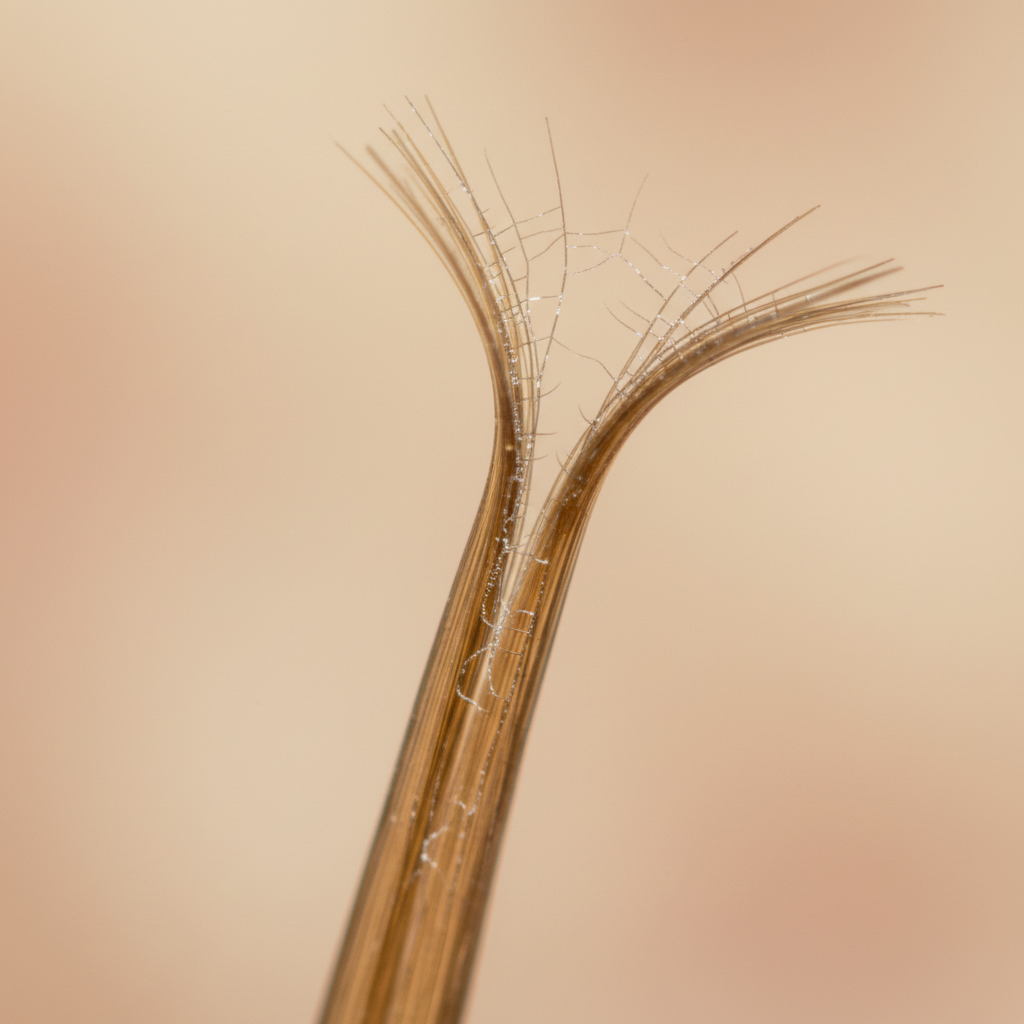
So, do regular trims actually make your hair grow faster? The short answer is no, not directly from the scalp. However, experts agree that trims play a crucial role in length retention. Sam Burnett, owner of Hare & Bone salon, explains that "Trimming prevents split ends from traveling up the hair shaft, which can lead to breakage." If your hair is breaking off, you're losing length, regardless of how fast it grows from the root.
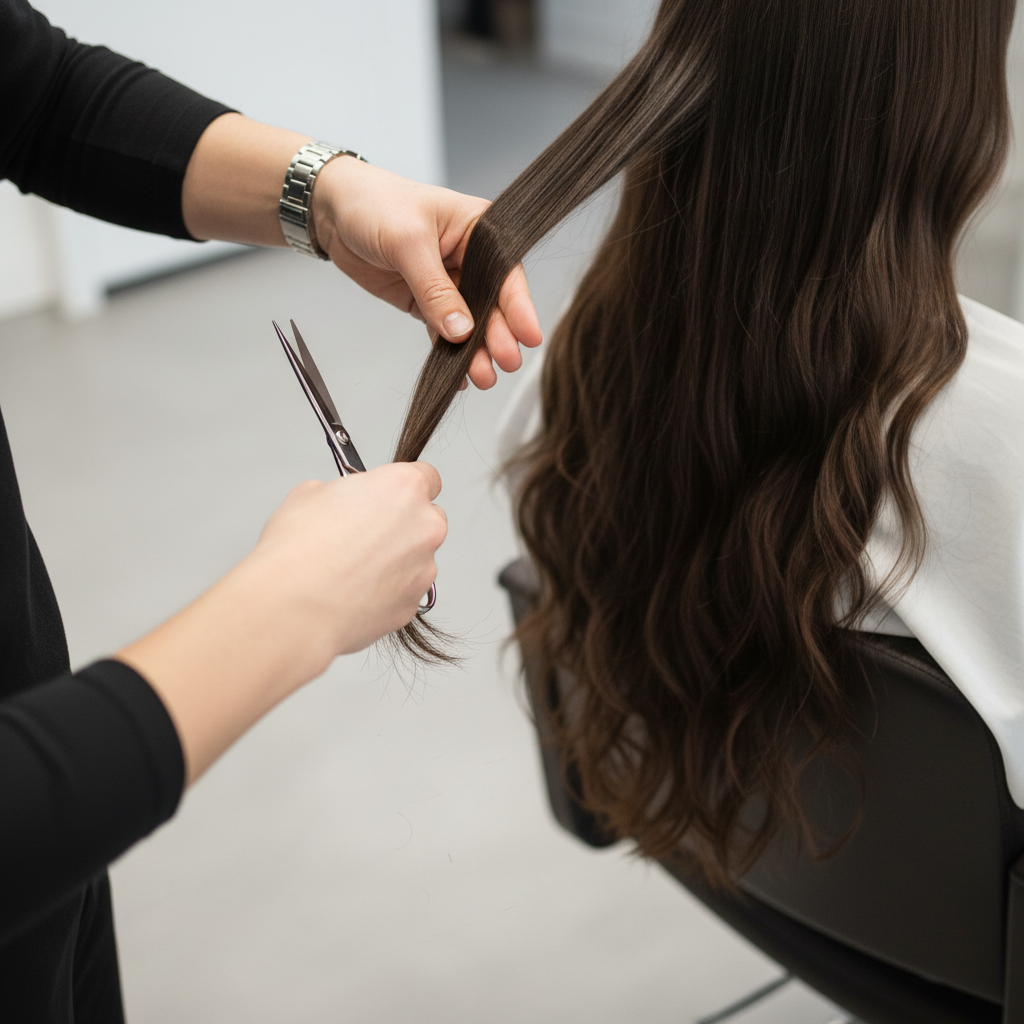
Skipping trims can lead to a "domino effect" of damage, potentially requiring a more drastic cut later. Curl specialist Trina Baranyi suggests a compromise: more frequent, less dramatic trims to gradually remove damage and prevent it from spreading. Techniques like "hair dusting," which carefully snips only the visible split ends, can also help preserve length, especially for straighter hair types. The key is to find a balance that suits your hair's needs, often ranging from 4-6 weeks for fine hair to 16-20 weeks for tighter textures, but always listening to your hair's unique condition.

Beyond the Scissors: Holistic Hair Growth Factors
While trims manage the ends, true hair growth starts much earlier. Consultant trichologist Eva Proudman highlights that hair growth rate (0.5-1 cm per month) and the length of the growth cycle (anagen phase, 2-7 years) are largely genetic. However, nutrition, overall wellbeing, and health conditions (like thyroid issues or vitamin deficiencies in ferritin, B12, D, and zinc) can significantly impact growth.
To truly encourage healthy growth, a holistic approach is vital. Proudman recommends a good shampoo and conditioner, minimizing heat styling (keeping tools below 180°C), and regular scalp washing to maintain a healthy environment. Remember, a happy scalp equals healthier hair, leading to better growth and stronger strands.


Finding Your Hair Match: The Right Stylist for Your HairFindr Journey
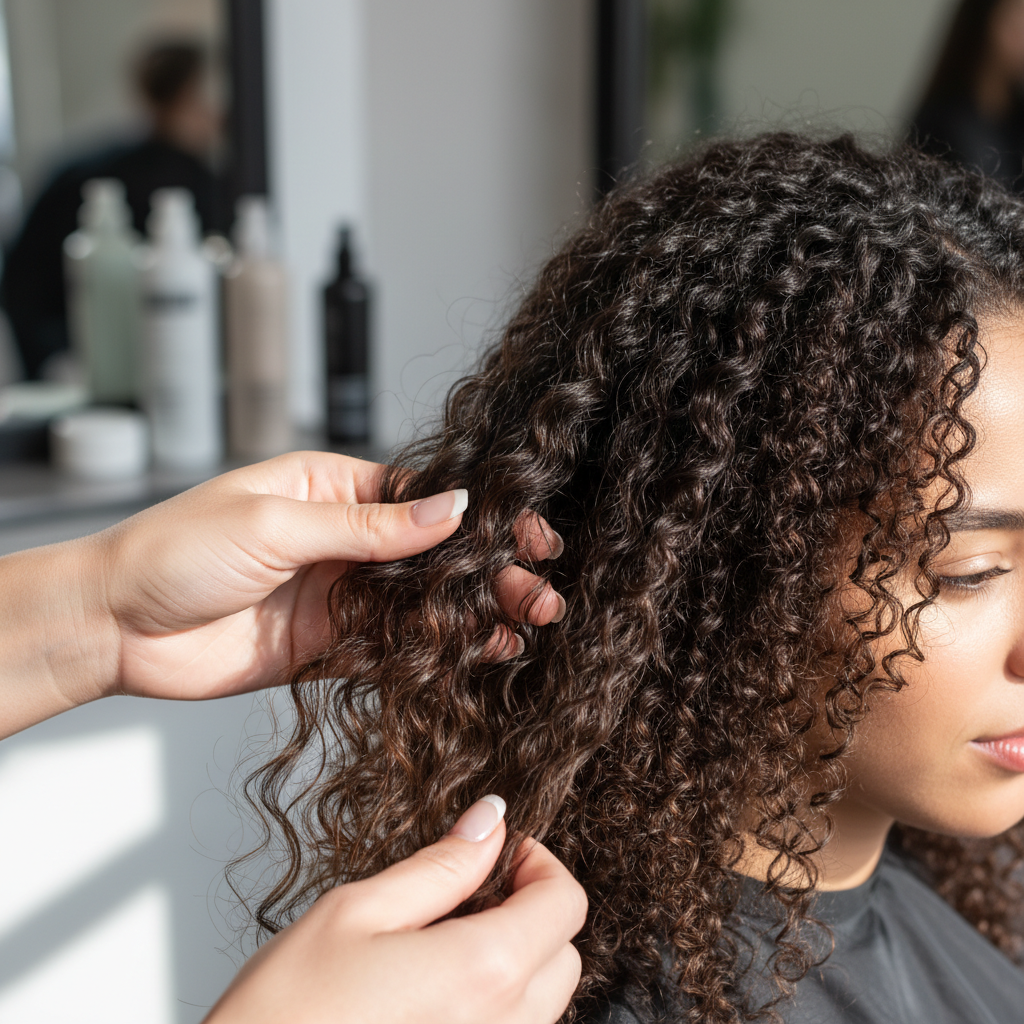
My year without haircuts revealed something profound: the moderate growth wasn't just about avoiding scissors, but about understanding the importance of the right stylist. Many hairdressers, as Trina Baranyi noted, might "think, I know best" or misinterpret healthy curly hair's naturally drier texture as damage. This lack of communication or understanding can lead to unwanted chops.
The biggest lesson? It's paramount to find a stylist who listens to your wishes, respects your hair goals, and deeply understands your specific hair texture. Before your next appointment, consider booking a consultation. Ask questions, communicate your desired length and goals, and don't hesitate to walk away if you feel unheard. HairFindr can be an invaluable tool to discover stylists in your area with specific expertise in various hair types and textures, helping you connect with professionals who truly understand and respect your hair journey.


Final Thoughts
After a year of no haircuts, my hair showed moderate growth, but the most crucial takeaway wasn't about the frequency of trims, but the quality of the stylist.
I've returned to a 20-week trim schedule, but with a renewed focus on finding professionals who genuinely understand and respect my hair's unique needs and my personal goals. Achieving healthy, long hair is a multi-faceted journey involving mindful care, understanding your hair's biology, and most importantly, partnering with a stylist who is truly attuned to your vision. Let HairFindr guide you to the perfect stylist, ensuring every salon visit brings you closer to your ultimate hair goals, rather than further away.